
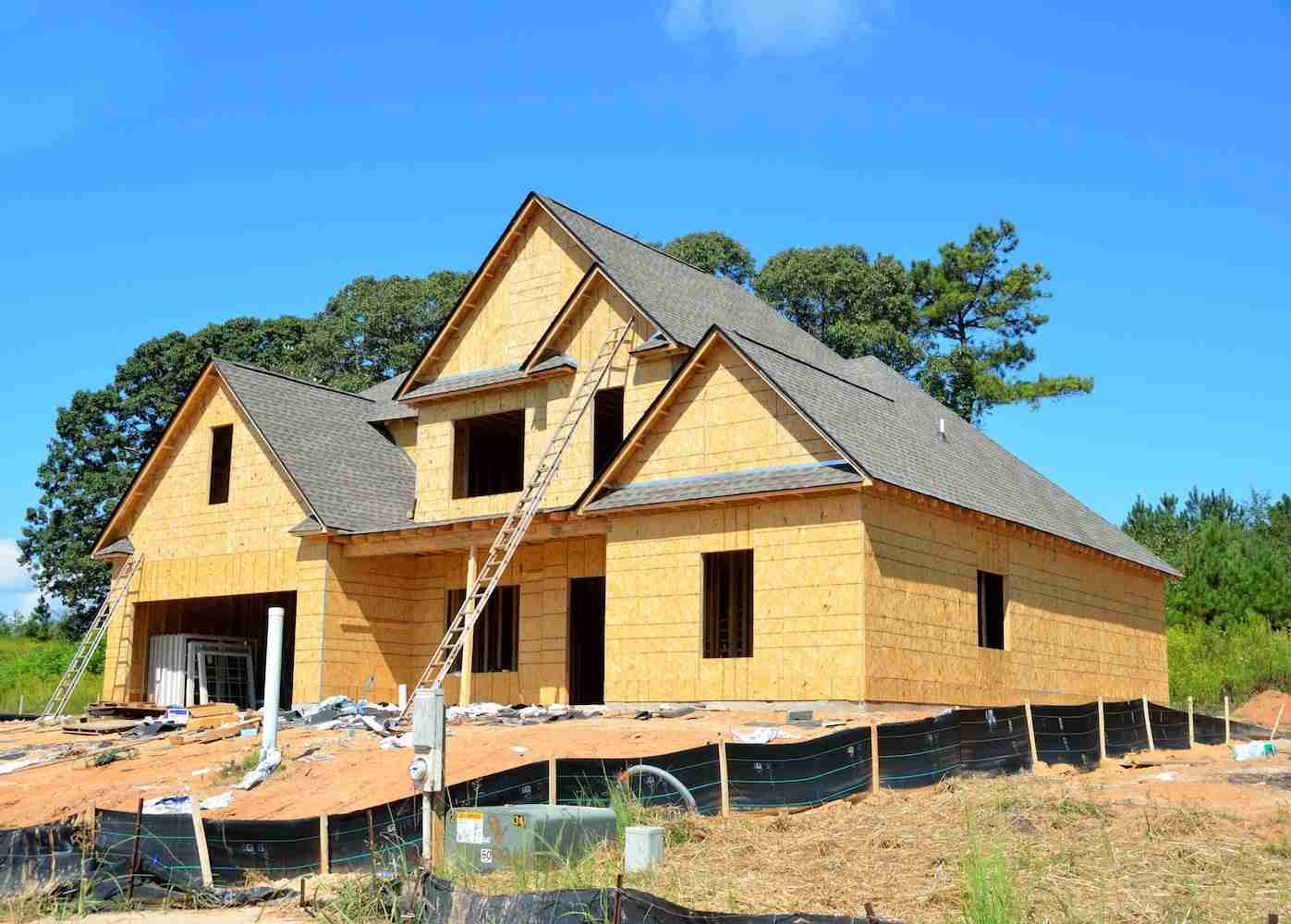
As families grow and lifestyles change, many homeowners find themselves needing more space. Instead of dealing with the stress and expense of moving, a home addition can be the perfect solution. Home additions provide extra living space, increase property value, and allow homeowners to customize their homes to meet their evolving needs. Whether you need an extra bedroom, a larger kitchen, a home office, or a family room, a well-planned home addition can transform your house into your dream home.
What Is a Home Addition?
A home addition is a construction project that expands the existing footprint of a home. It involves adding new rooms, extending existing spaces, or building a second story to create more usable square footage. Home additions are designed to blend seamlessly with the original structure, ensuring both functionality and visual appeal.
Homeowners choose additions for various reasons, including growing families, remote work needs, accommodating aging relatives, or simply enhancing comfort and convenience.
Benefits of Home Additions
1. Increased Living Space
One of the most obvious advantages of a home addition is gaining extra space. Whether you need a larger living room, additional bedrooms, or a dedicated workspace, an addition provides the room your family needs without requiring a move.
2. Enhanced Property Value
A professionally designed and constructed home addition can significantly increase your property’s market value. Buyers are often willing to pay more for homes with extra bedrooms, expanded kitchens, or modern living spaces.
3. Improved Functionality
Home additions allow homeowners to customize their space according to their lifestyle. You can create a home office, fitness room, guest suite, entertainment area, or playroom that perfectly suits your family’s needs.
4. Cost-Effective Alternative to Moving
Moving involves realtor fees, closing costs, packing expenses, and the hassle of finding a new home. A home addition allows you to stay in your current neighborhood while enjoying the benefits of a larger living space.
5. Personalized Design
Unlike buying a new house, a home addition gives you complete control over the design, layout, materials, and finishes. You can create a space that reflects your style and complements your existing home.
Popular Types of Home Additions
Room Additions
Room additions are one of the most common types of home expansion projects. They can include bedrooms, family rooms, guest rooms, or home offices. These additions increase living space while maintaining the home’s overall design.
Kitchen Expansions
Many homeowners choose to enlarge their kitchens to create more cooking, dining, and entertaining space. A kitchen addition can include larger countertops, additional cabinets, islands, and modern appliances.
Second-Story Additions
When lot space is limited, building upward is an excellent solution. A second-story addition can double your home’s square footage while preserving outdoor space.
Sunrooms
Sunrooms provide a bright, relaxing area filled with natural light. These versatile spaces can be used for entertaining, reading, dining, or enjoying outdoor views year-round.
Garage Conversions
Converting an existing garage into a functional living space is a cost-effective way to add square footage. Garages can be transformed into guest rooms, home offices, gyms, or recreational spaces.
In-Law Suites
An in-law suite is a self-contained living area designed for extended family members. These additions often include a bedroom, bathroom, kitchenette, and private entrance.
Planning a Successful Home Addition
Assess Your Needs
Before starting any project, determine why you need additional space. Consider your current lifestyle, future plans, and how the new area will be used.
Establish a Budget
A realistic budget helps guide design decisions and prevents unexpected financial stress. Include costs for materials, labor, permits, inspections, and potential contingencies.
Choose the Right Design
The new addition should complement the architectural style of your existing home. Working with experienced designers and contractors ensures a cohesive appearance.
Obtain Necessary Permits
Most home additions require permits and inspections to comply with local building codes. Professional contractors can help navigate these requirements and ensure legal compliance.
Hire Experienced Professionals
Selecting a reputable contractor is essential for achieving quality results. Experienced builders manage every phase of the project, from planning and design to construction and finishing.
The Home Addition Construction Process
Initial Consultation
The process begins with a consultation to discuss goals, budget, and design preferences. Contractors evaluate the property and provide recommendations for the best solution.
Design and Planning
Architects and designers create detailed plans, including layouts, structural considerations, and material selections. This stage ensures the project meets both functional and aesthetic goals.
Permitting and Approvals
Necessary permits are obtained before construction begins. This step ensures compliance with local regulations and safety standards.
Site Preparation
The construction area is prepared by clearing obstacles, protecting existing structures, and establishing a safe work environment.
Construction
The building phase includes foundation work, framing, roofing, electrical installation, plumbing, insulation, drywall, flooring, and finishing details.
Final Inspection
Once construction is complete, inspections verify that all work meets building codes and quality standards before the space is ready for use.
Design Ideas for Modern Home Additions
Today’s homeowners are incorporating innovative features into their home additions, including:
- Open-concept floor plans
- Large energy-efficient windows
- Smart home technology integration
- Luxury master suites
- Home offices with built-in storage
- Multi-functional family rooms
- Outdoor living connections
- Sustainable building materials
These features enhance comfort, efficiency, and long-term value.
Energy Efficiency Considerations
Modern home additions often focus on energy efficiency to reduce utility costs and environmental impact. Consider incorporating:
- High-performance insulation
- Energy-efficient windows and doors
- LED lighting systems
- Smart thermostats
- Energy Star-rated appliances
- Sustainable building materials
These upgrades improve comfort while lowering monthly energy expenses.
Why Professional Home Addition Services Matter
Home additions involve complex structural, electrical, plumbing, and design work. Professional contractors have the expertise, tools, and experience needed to complete projects safely and efficiently. They ensure proper planning, quality craftsmanship, code compliance, and timely completion.
Working with experienced professionals minimizes costly mistakes and provides peace of mind throughout the construction process.
Conclusion
A home addition is an excellent investment for homeowners seeking more space, improved functionality, and increased property value. Whether you’re adding a bedroom, expanding your kitchen, building a second story, or creating a custom living area, a well-designed addition can transform your home to meet your family’s changing needs. With careful planning, quality materials, and professional construction services, a home addition can provide lasting comfort, convenience, and value for years to come.