
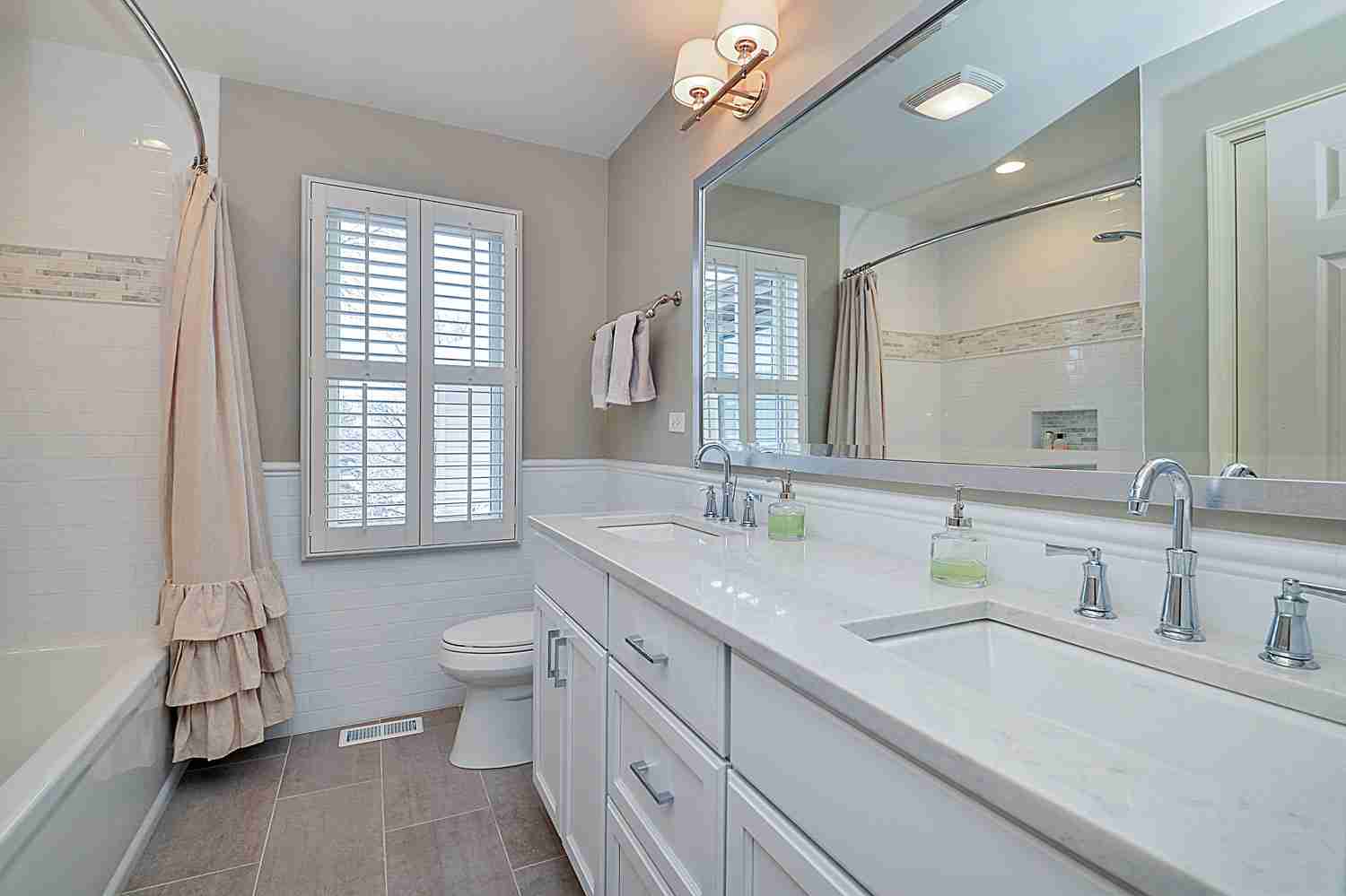
A bathroom is more than just a functional space—it’s a personal retreat where you begin and end your day. Renovating your bathroom not only improves its look and functionality but also enhances your home’s value. Whether you’re considering a minor facelift or a complete overhaul, a bathroom renovation is one of the most rewarding home improvement projects you can undertake. In this guide, we’ll explore the importance of bathroom renovation, key steps in the process, design ideas, and practical tips to help you create a stylish, efficient, and comfortable space.
Why Renovate Your Bathroom?
1. Improved Functionality
Older bathrooms often lack modern features, efficient layouts, or adequate storage. Renovation allows you to redesign the space for better usability. You can add double sinks for busy households, expand the shower area, or integrate smart technology like touchless faucets and heated floors.
2. Enhanced Aesthetics
Bathrooms can quickly become outdated. Worn-out tiles, peeling paint, and outdated fixtures give the space a tired look. Renovation helps you modernize the design with sleek finishes, fresh paint, and stylish fixtures, transforming your bathroom into a spa-like retreat.
3. Increased Home Value
According to real estate experts, bathroom renovations often deliver one of the highest returns on investment. A beautifully remodeled bathroom can significantly increase your property’s market appeal and resale value.
4. Better Energy Efficiency
Upgrading to energy-efficient fixtures such as low-flow toilets, water-saving faucets, and LED lighting helps conserve resources while lowering utility bills. Renovation is the perfect opportunity to make your bathroom eco-friendly.
5. Comfort and Luxury
Imagine starting your day with a rain shower or ending it with a soak in a freestanding tub. Renovating allows you to add comfort and luxury, making your bathroom an enjoyable escape.
Planning Your Bathroom Renovation
1. Set a Budget
The first step is determining how much you’re willing to spend. Bathroom renovations can range from budget-friendly upgrades to high-end remodels. Having a clear budget helps you prioritize essential updates while leaving room for optional luxuries.
2. Evaluate Your Needs
Think about how you use your bathroom daily. Do you need more storage? Is the shower too small? Would a double vanity save morning arguments? Understanding your needs will guide the renovation process.
3. Hire Professionals vs. DIY
Some tasks like painting or replacing hardware can be DIY-friendly, but plumbing, electrical work, and structural changes should be left to licensed professionals. Hiring experts ensures safety, quality, and compliance with building codes.
4. Choose a Layout
The layout determines how functional your bathroom will be. A simple renovation may keep the existing layout, while a complete remodel could involve moving plumbing fixtures. Consider factors like available space, ease of movement, and storage options.
5. Select Quality Materials
Bathrooms endure moisture, heat, and frequent use, so durability matters. Opt for water-resistant flooring, high-quality tiles, and fixtures designed to last. Investing in quality materials ensures longevity and reduces maintenance.
Design Ideas for Bathroom Renovation
1. Modern Minimalist
Clean lines, neutral tones, and uncluttered spaces define the minimalist bathroom. Floating vanities, frameless glass showers, and sleek hardware create a modern look that feels spacious and calming.
2. Classic Elegance
For timeless charm, choose marble countertops, traditional vanities, and soft lighting. Incorporate neutral palettes with touches of gold or brass for a luxurious feel.
3. Rustic Retreat
Bring warmth into your bathroom with natural elements like wood, stone, and earthy tones. A rustic bathroom pairs perfectly with farmhouse sinks, vintage mirrors, and warm lighting.
4. Spa-Inspired Oasis
Transform your bathroom into a relaxation zone with a soaking tub, rain shower, and calming colors. Add natural textures like bamboo accessories and soft towels for a spa-like experience.
5. Small Bathroom Solutions
If space is limited, consider space-saving fixtures like wall-mounted sinks, compact toilets, and sliding shower doors. Mirrors and light colors can make small bathrooms appear larger.
Key Elements to Focus On
1. Flooring
Bathroom floors must be durable and water-resistant. Popular options include ceramic or porcelain tiles, vinyl, and natural stone. Heated flooring systems are an excellent addition for comfort.
2. Lighting
Good lighting enhances both function and ambiance. Layer your lighting with task lights (for mirrors), ambient lights (for overall brightness), and accent lights (to highlight features).
3. Storage Solutions
Clutter can make even the most beautiful bathroom look messy. Add built-in cabinets, floating shelves, or recessed niches to keep essentials organized and within reach.
4. Shower and Tub
A walk-in shower with frameless glass doors adds modern appeal, while a freestanding tub provides elegance. If space allows, having both creates the ultimate balance of practicality and luxury.
5. Vanities and Countertops
Choose vanities that complement your style and offer storage. Countertops made from quartz, granite, or solid surface materials provide durability and elegance.
6. Fixtures and Hardware
Faucets, showerheads, and drawer handles may seem small, but they greatly impact the overall look. Matte black, brushed nickel, or gold finishes can elevate your bathroom design.
Steps in a Bathroom Renovation Project
- Demolition – Removing old fixtures, tiles, and finishes.
- Plumbing and Electrical Work – Updating pipes, wiring, and installing necessary outlets or lighting.
- Framing and Drywall – Rebuilding walls or adding new partitions if needed.
- Flooring and Tiling – Installing durable and water-resistant flooring and wall tiles.
- Painting and Finishing – Choosing moisture-resistant paints in soothing or vibrant colors.
- Fixture Installation – Installing vanities, sinks, toilets, showers, and tubs.
- Final Touches – Adding mirrors, lighting, storage accessories, and décor.
Practical Tips for a Successful Bathroom Renovation
- Plan for Ventilation: Proper ventilation prevents mold and moisture damage. Install a quality exhaust fan.
- Think Long-Term: Choose timeless designs and durable materials to ensure your bathroom stays stylish for years.
- Stay on Schedule: Bathroom renovations can disrupt daily routines, so plan accordingly and set realistic timelines.
- Expect the Unexpected: Hidden plumbing issues or structural damage may arise during renovation. Set aside 10–15% of your budget for contingencies.
- Personalize the Space: While trends are useful for inspiration, make sure your bathroom reflects your taste and lifestyle.
Conclusion
A bathroom renovation is an investment in both comfort and value. By planning carefully, choosing durable materials, and focusing on design and functionality, you can create a bathroom that not only meets your everyday needs but also provides a luxurious escape. Whether you’re updating a small powder room or transforming a master bath into a spa-inspired retreat, the possibilities are endless. With the right approach, your bathroom renovation can turn an outdated space into a beautiful and functional sanctuary you’ll enjoy for years to come