
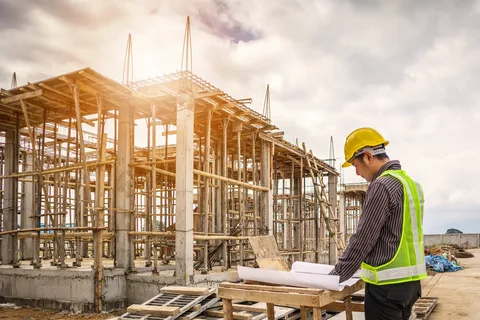
Starting a new construction project is an exciting and ambitious undertaking, but it comes with a range of legal considerations that must be addressed before work begins. Ensuring compliance with local laws and regulations can prevent delays, fines, and other complications throughout the process. This guide will outline the key legal requirements you should be aware of when using a new construction service.
1. Zoning Laws and Land Use Regulations
Before any construction begins, it’s crucial to ensure that the land where the construction is planned is zoned appropriately for the type of project you are undertaking. Zoning laws regulate land use, determining whether the property can be used for residential, commercial, industrial, or mixed purposes. These laws vary by location and can impact the design and scope of your project.
- Check with local zoning boards: Verify whether your project complies with local zoning laws.
- Obtain zoning permits: Some projects, especially those involving changes to land use, may require special permits or variances.
Tip: Consulting a local zoning expert or your construction service provider can help navigate these regulations.
2. Building Permits
Building permits are among the most important legal requirements for any new construction project. A building permit is required before starting construction to ensure that your project meets safety codes and standards set by local authorities. Permits are typically needed for major construction projects such as new buildings, additions, or structural changes.
- Apply for permits before starting work: You may need to submit detailed plans for review and approval.
- Inspections: During and after construction, inspectors may visit the site to ensure that the work complies with the permit requirements.
Tip: Failing to secure the appropriate permits can lead to fines and may even force you to tear down completed work.
3. Environmental Regulations
Construction projects must comply with environmental regulations to prevent damage to the surrounding ecosystem and natural resources. These regulations may address water use, air quality, waste disposal, and noise restrictions. If your project involves disturbing the land (e.g., excavation or demolition), you may need to obtain an environmental impact assessment or approval.
- Environmental Impact Reports (EIRs): Large or high-risk projects may require an EIR to assess potential environmental consequences.
- Protecting wetlands or endangered species: If construction affects sensitive environments, additional permits may be necessary.
Tip: Research environmental impact laws in your area, especially for projects in environmentally sensitive locations.
4. Health and Safety Regulations
Health and safety regulations are vital to ensure the well-being of workers, visitors, and the surrounding community during construction. Construction companies and contractors must adhere to safety guidelines to prevent accidents and injuries on-site.
- Workplace safety standards: OSHA (Occupational Safety and Health Administration) guidelines in the United States, or local safety agencies, require construction sites to maintain a safe working environment.
- Personal Protective Equipment (PPE): Construction workers are often required to wear safety gear, such as helmets, goggles, and gloves.
Tip: Ensure that the construction service you hire follows safety protocols and provides adequate training for workers.
5. Contracts and Agreements
A written contract is essential when engaging a new construction service. This contract outlines the terms of the agreement between you (the property owner) and the construction company. It should clearly define the scope of work, timeline, costs, and responsibilities of all parties involved. A well-drafted contract can help prevent misunderstandings and disputes.
- Detail the project scope: Include specifics on materials, design, and completion expectations.
- Payment terms: Outline how and when payments will be made, as well as the cost breakdown.
- Insurance and liability: The contract should specify that the construction service is fully insured in case of accidents or property damage.
Tip: Always review contracts carefully and consult with an attorney if needed before signing.
6. Contractor Licensing and Insurance
To legally perform construction work, contractors must be licensed by local or state authorities. Licensing ensures that the contractor has the necessary qualifications, skills, and knowledge to complete the job according to local building codes and safety standards. Additionally, contractors should carry liability insurance and workers’ compensation insurance.
- Verify licensing: Confirm that your contractor holds the appropriate licenses for your area.
- Check insurance coverage: Ensure the contractor has liability insurance and worker’s compensation in case of accidents.
Tip: Hiring a licensed and insured contractor protects both you and the workers from potential legal issues.
7. Accessibility Standards
Construction projects must comply with accessibility laws, particularly if the project involves public spaces or multi-unit residential buildings. In many regions, there are legal requirements to ensure buildings are accessible to individuals with disabilities, such as ramps, door widths, and bathrooms that accommodate mobility devices.
- ADA compliance: In the United States, the Americans with Disabilities Act (ADA) mandates certain accessibility features for public and commercial buildings.
- Local accessibility codes: Make sure your project complies with local building codes that include accessibility requirements.
Tip: Consider consulting with an accessibility expert if your construction involves public or shared spaces.
8. Property Taxes and Assessments
A new construction project may affect your property’s tax assessments. Depending on the value and type of construction, your property taxes may increase once the work is completed. It’s important to understand how your local tax authority will assess the property and to factor this into your project’s financial planning.
- Property tax reassessment: After construction is completed, your local government may reassess the property value, which can lead to higher taxes.
- Planning for future taxes: Make sure you account for this increase when budgeting for your renovation or new construction.
Tip: Contact your local tax office to understand how the project will impact your property taxes.
9. Code Compliance and Inspections
Throughout the construction process, you’ll be required to comply with local building codes. These codes outline the minimum standards for construction to ensure safety and habitability. Your project will likely need to pass several inspections before it can be deemed complete.
- Types of inspections: Common inspections include foundation, framing, plumbing, electrical, and final inspection.
- Pass inspections before proceeding: Each phase of the project must pass inspection before moving on to the next step.
Tip: Be prepared for inspections and ensure that your contractor schedules them in advance.
10. Final Approval and Occupancy Permit
Once construction is complete, you’ll need a final inspection and approval from the local authorities. This inspection ensures that everything has been built according to code and that the building is safe for occupancy. After passing the final inspection, you’ll receive an occupancy permit, which is legally required to inhabit or use the property.
- Occupancy permit: You cannot legally live in or use the building until the permit is issued.
- Final walkthrough: Conduct a thorough inspection with the contractor to ensure all aspects of the project are complete.
Tip: Don’t move in until the occupancy permit is granted to avoid potential legal issues.
Conclusion
When using a new construction service, it’s essential to understand and comply with the legal requirements that govern the process. From zoning laws and building permits to contractor licensing and health and safety regulations, each step is critical to ensuring a smooth, legal, and successful construction project. By working with experienced professionals and taking the necessary legal precautions, you can avoid costly mistakes and delays while ensuring that your new construction meets all necessary standards.
Meta Description
Learn about the key legal requirements for using a new construction service, including zoning laws, permits, safety regulations, and contractor qualifications.
Short FAQs
1. Do I need a permit for new construction?
Yes, building permits are usually required for new construction projects to ensure compliance with safety codes and regulations.
2. What is a contractor’s license?
A contractor’s license ensures that the individual has the necessary skills and qualifications to legally perform construction work.
3. What are zoning laws?
Zoning laws regulate land use and determine whether a property can be used for residential, commercial, or other purposes.
4. Why are inspections necessary during construction?
Inspections ensure that the construction complies with local building codes and safety standards.
5. What is an occupancy permit?
An occupancy permit is required before a new building or structure can be used or inhabited legally.